

For over three decades, the world’s highest decision-makers have gathered under the United Nations climate process to negotiate commitments intended to safeguard ecosystems, reduce emissions, and respond to the accelerating climate crisis. Each year at the UN Climate Change Conferences (COPs), governments shape policies that affect our futures across the globe. The reality is that despite our best efforts, our worldviews are often left out of the final agreements that shape climate policy.
Over the last 30 years of this process, Indigenous Peoples have been involved through our designated constituency: Indigenous Peoples Organizations (IPOs), often fighting for basic inclusion of IPs. The process has expanded but power within it has not meaningfully shifted. Indigenous Peoples protect some of the world’s most biodiverse and ecologically vital territories, but Indigenous youth remain significantly underrepresented in the rooms where these global decisions are negotiated.
Re-Earth Initiative is proud to launch our Climate Policy Fellowship for Indigenous Youth. A year-long capacity-building and policy engagement program designed to support Indigenous youth in meaningfully engaging in international climate negotiations under the UNFCCC.
“Climate governance cannot claim legitimacy while excluding those who safeguard the world’s most critical ecosystems. The REI Climate Policy Fellowship for Indigenous Youth is about redistributing access, strengthening policy capacity, and supporting sustained Indigenous youth leadership within multilateral climate processes.”
Sofia Luna Quispe (Quechua, Peru)
Policy Lead at Re-Earth Initiative
The Structural Gap in Climate Governance
International climate negotiations are highly technical, resource-intensive, and politically complex. For Indigenous youth, barriers to engagement include the high financial costs for participation as well as limited access to technical policy training for understanding complex negotiation language and procedures. The REI Climate Policy Fellowship seeks to respond directly to this access gap.
The Fellowship is designed as a 10-month program running from March to December 2026. The inaugural cohort will include four Indigenous youth fellows from across the seven sociocultural regions.
Each fellow will be assigned one of four negotiation tracks to follow throughout the program:
- Mitigation
- Article 6 and False Solutions
- Adaptation and Loss and Damage
- Climate Finance
As a part of the program, fellows will receive:
- High-level training through partner-led modules and peer learning spaces.
- Support to engage in SB 64 (June 2026, Bonn) and COP 31 (November 2026, Antalya). (In person participation is not guaranteed and is subject to engagement and fundraising efforts).
- Logistical coordination before, during, and after conference engagements.
- A stipend of $1,500 USD, disbursed quarterly and in line with program responsibilities.
Fellows are expected to engage in movement coordination spaces, participate in public communications and media efforts (where appropriate), as well as actively contribute to the production of briefs, policy analysis, and other materials prior and after the conferences.
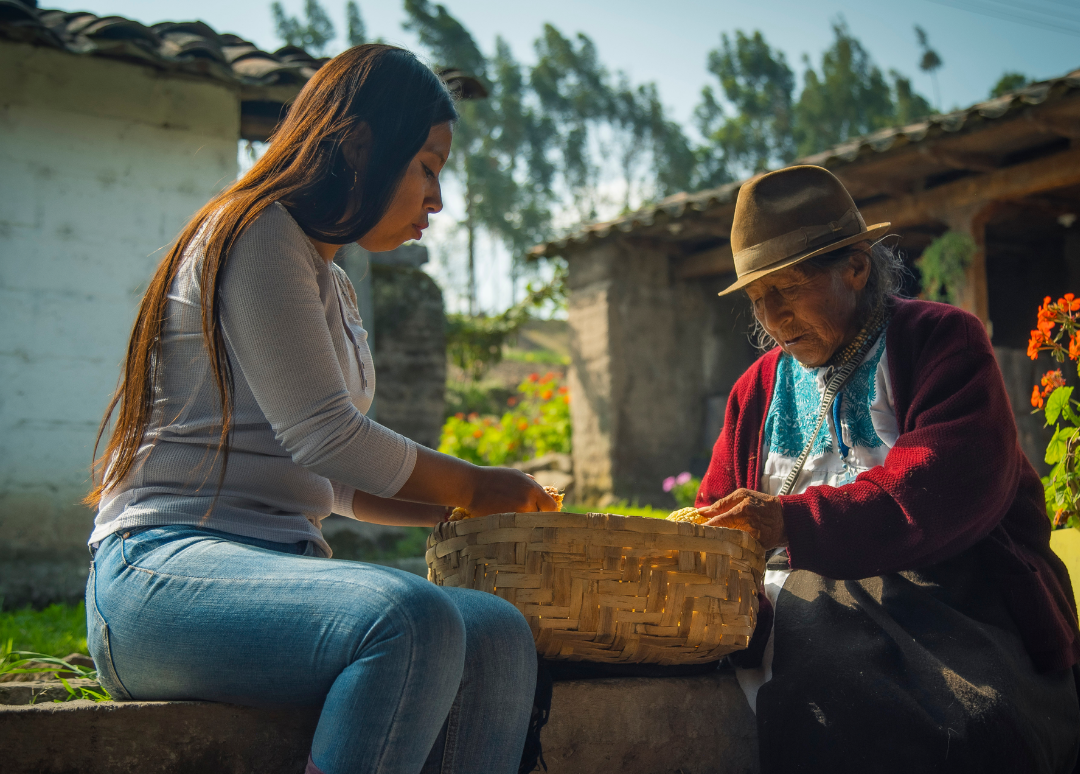
A Long-Term Commitment
"Indigenous Knowledge is vital in climate policy. Without the wisdom of the people who know the land best, we will keep on replicating the same extractivist tactics that harm our communities time and time again"
Xiye Bastida, Otomí-Toltec
Co-Founder and Executive Director at Re-Earth Initiative
The REI Climate Policy Fellowship reflects Re-Earth Initiative’s broader commitment to democratizing climate policy spaces and investing in diverse youth leadership that is politically grounded and community-rooted.
We believe that meaningful transformation of global climate governance requires shifting who holds knowledge, who shapes negotiations, and who has sustained access to these spaces.
By supporting Indigenous youth policy leadership, we hope to contribute to a future in which climate negotiations are more representative, more accountable, and more aligned with frontline realities.
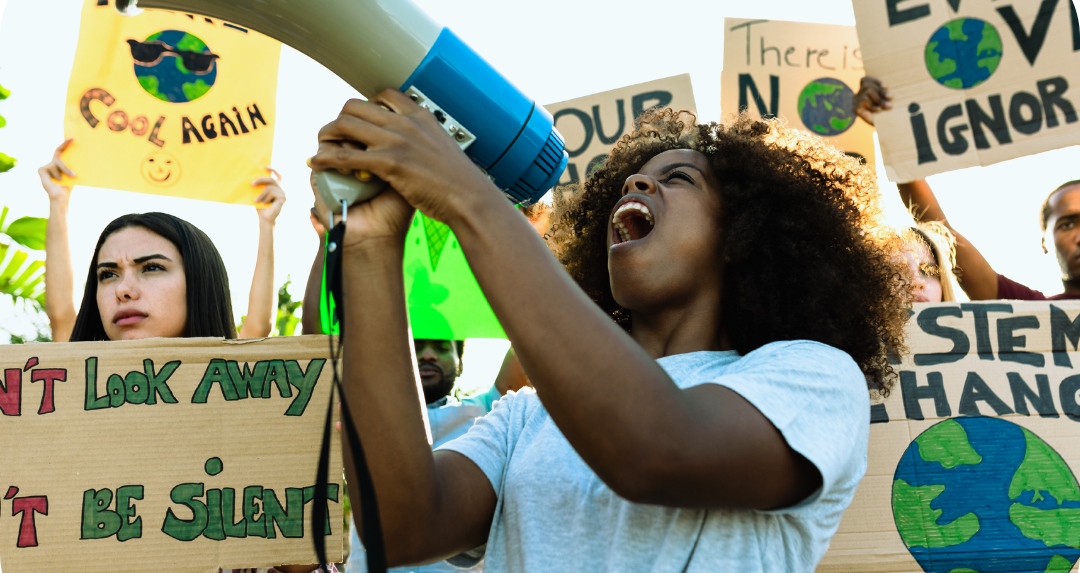
Applications Open on March 2nd, 2026
Applications for the 2026 cohort are NOW OPEN and will be reviewed on a rolling basis until March 16th.
- The Fellowship is open to Indigenous youth aged 18-30 (at the time of applying) who demonstrate meaningful connection and accountability to their People, Nation, or community.
Indigenous identity is understood through self-identification and community belonging, no formal documentation is required. - Applicants will be asked to share their experience in climate justice, Indigenous rights, territorial defense, or related work as well as their motivation for engaging in international climate negotiations.
- Candidates will need to indicate their preferred negotiation track and reflect on how their work connects to their territory.
- Selected Fellows must commit to regular virtual trainings and coordination meetings, and to participating (on-line or in-person) in SB 64 (June 2026) and COP 31 (November 2026).
- Upon completing the application form, a letter of recommendation from a community, movement, or organizational reference (maximum of two pages in PDF format) must be emailed by March 21, 2026 to sofia@reearthin.org and daniel.valdovinos@reearthin.org, as indicated in the forms.
For questions regarding eligibility or the application process please contact sofia@reearthin.org
